Deaf Culture 101
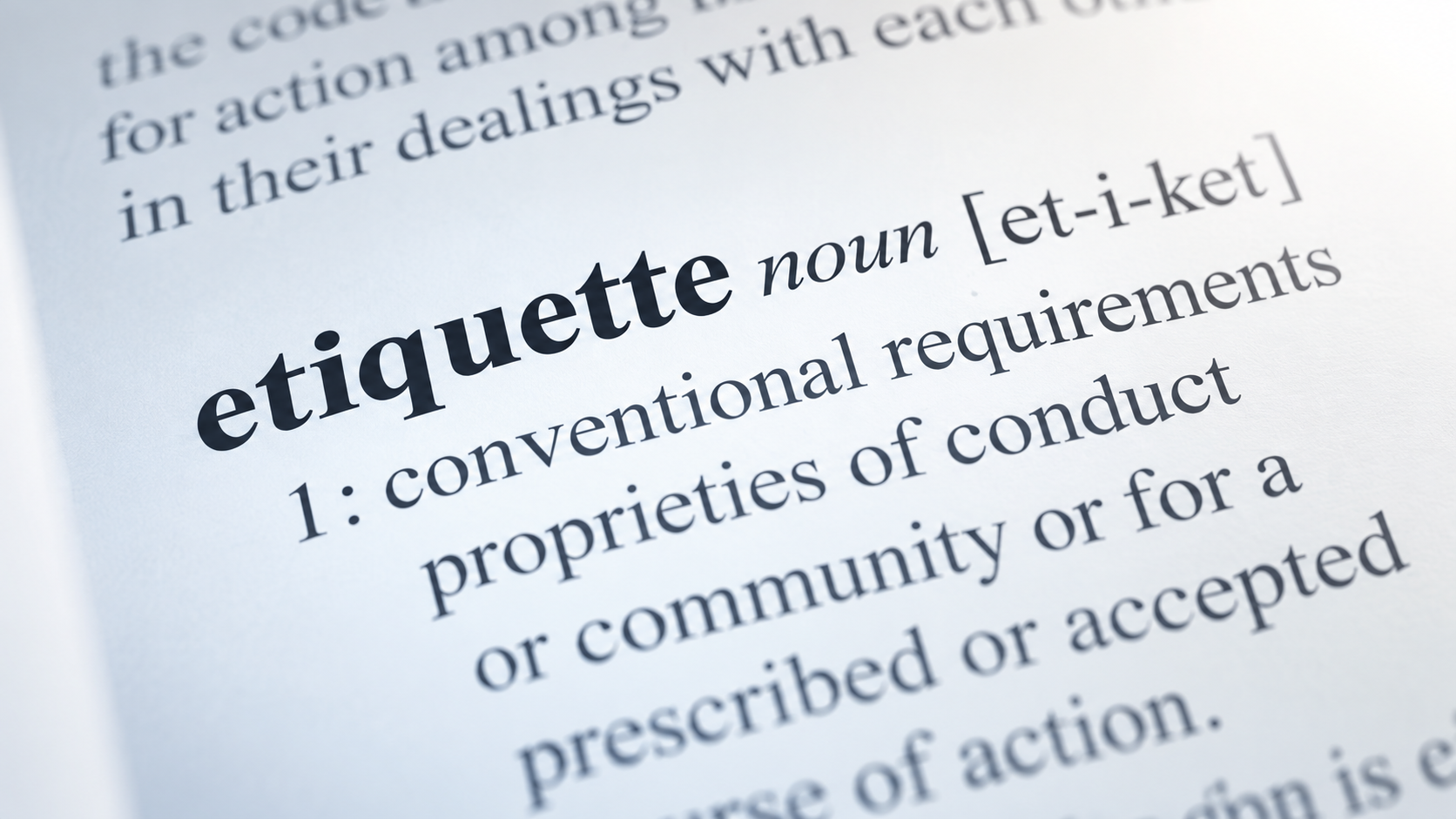
A surprising number of well-meaning professionals get DHH terminology wrong, us included. It is not intentional, but intent never outweighs impact. While graduate programs may not have walked us through this directly, that's not an excuse to use outdated terms.
Here's a primer we wish more training programs covered.
1. "Deaf" vs. "deaf" — The Capital "D" Matters
Capital-D Deaf refers to identity: people who share a language (often ASL), a set of cultural values, and a sense of community, and who generally do not view their Deafness as something lost or diminished. Lowercase-d deaf, hard of hearing, or deafened describes audiological status only — how much a person hears — without implying anything about cultural identity or language use. Many people who are audiologically deaf don't identify with Deaf culture at all, and that's just as valid as those who do. The distinction isn't pedantic; it's the difference between describing someone's hearing and describing their identity, and conflating the two is one of the most common missteps hearing professionals make.
2/ A Term to Retire: "Hearing Impaired"
This phrase used to be considered neutral, but it's now widely regarded as outdated and, within the Deaf community, often offensive. It frames Deafness as a deficiency, something "impaired" relative to a hearing baseline. "Deaf", "hard of hearing", or "DHH" are the preferred terms today. When in doubt, ask the person how they describe themselves and use that.
3. Getting Someone's Attention
Waving in someone's line of sight, a light tap on the shoulder or arm, or flicking a light switch in a group setting are all standard, respectful ways to get a Deaf person's attention. Shouting or grabbing isn't necessary and can come across as jarring. Touch that would feel overly familiar in hearing culture (a tap to say hello, a hand on the arm to pause a conversation) is simply functional here, not an intrusion.
4. Eye Contact Is the Conversation
In Deaf culture, sustained eye contact isn't optional politeness - it's the channel the conversation runs through. Looking away mid-conversation can read as disengagement or rudeness in a way it might not in hearing interactions. A related rule of thumb: only start talking once you actually have eye contact, not while someone's attention is elsewhere.
5. If There's an Interpreter, Talk to the Person - Not the Interpreter
This is one of the most common etiquette breaks: speaking to the interpreter ("can you ask her if...") instead of speaking directly to the Deaf person. The interpreter is a conduit, not the conversation partner. Maintain eye contact and direct address with the Deaf person exactly as you would with anyone else in the room.
Ten Minutes of Your Time
None of this requires fluency in ASL or a deep dive into Deaf history (though both are worth pursuing if this work is part of your caseload). What it requires is unlearning a handful of habits that most of us picked up by accident. Save this post, share it with a colleague, and if you want the deeper version, revisit our podcast episode with Germaine Graham and our course with Sydney Bassard; both put this etiquette into real practice.