
Insights & Tips for Educators & Therapists
Gain valuable insights and practical tips to support your work as an educator, speech-language pathologist, or special education professional. Connect with a global community, explore innovative strategies, and stay informed about the latest trends in education and therapy.

When SLP Summit Showed Up: The Courses That Changed Everything
Some SLP Summit courses teach you something new. Others stay with you for years. Looking back across nearly a decade of Summit, we’re revisiting the sessions, presenters, and pivotal moments that made an impact far beyond a single hour of professional development.
READ MORE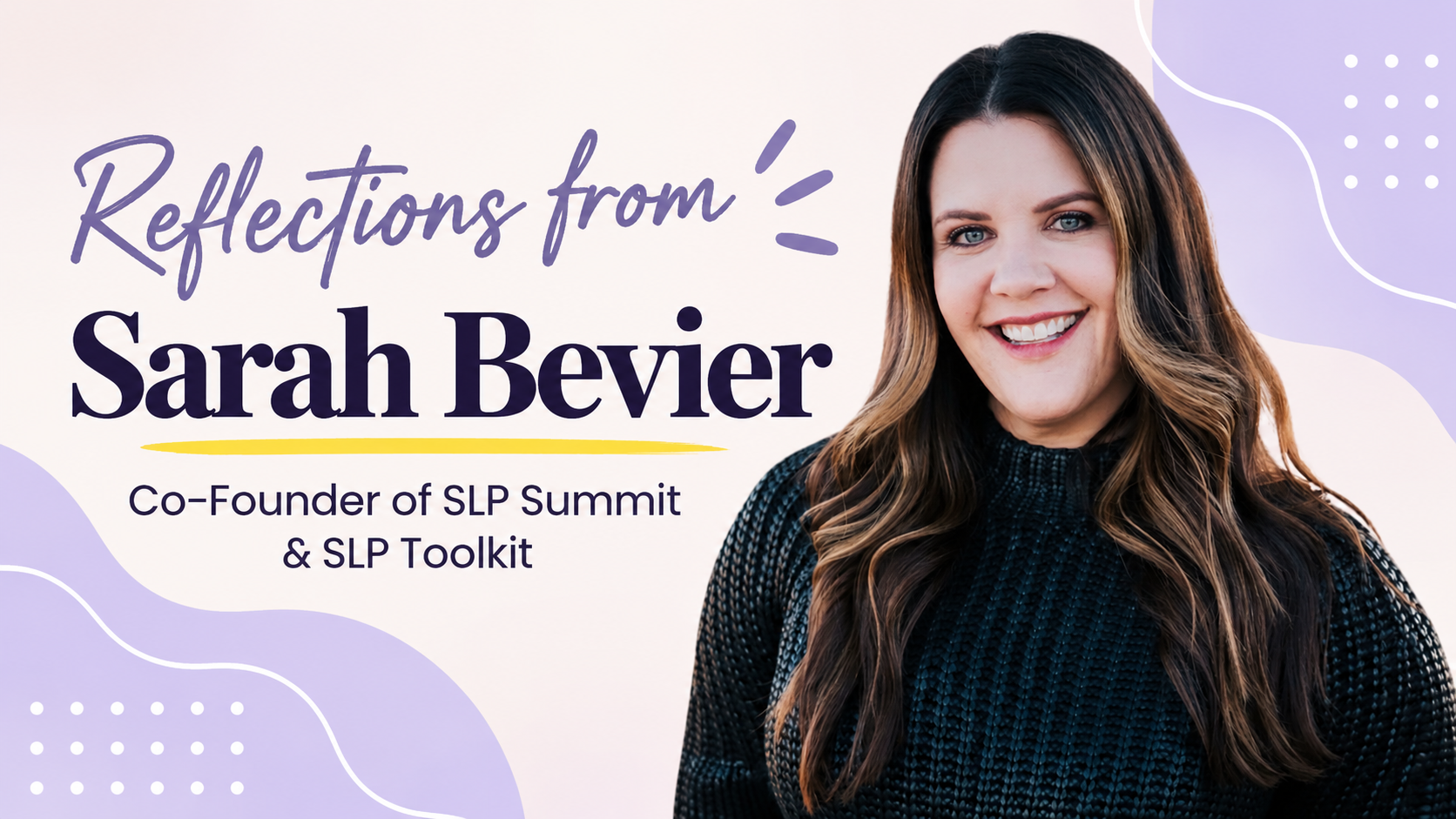
A Love Letter to Nine Years of SLP Summit
Nine years of SLP Summit means nine years of unforgettable presenters, unexpected friendships, powerful courses, and the occasional live-event curveball. Co-founder Sarah Bevier looks back at the people and moments that have stayed with her most.
READ MORE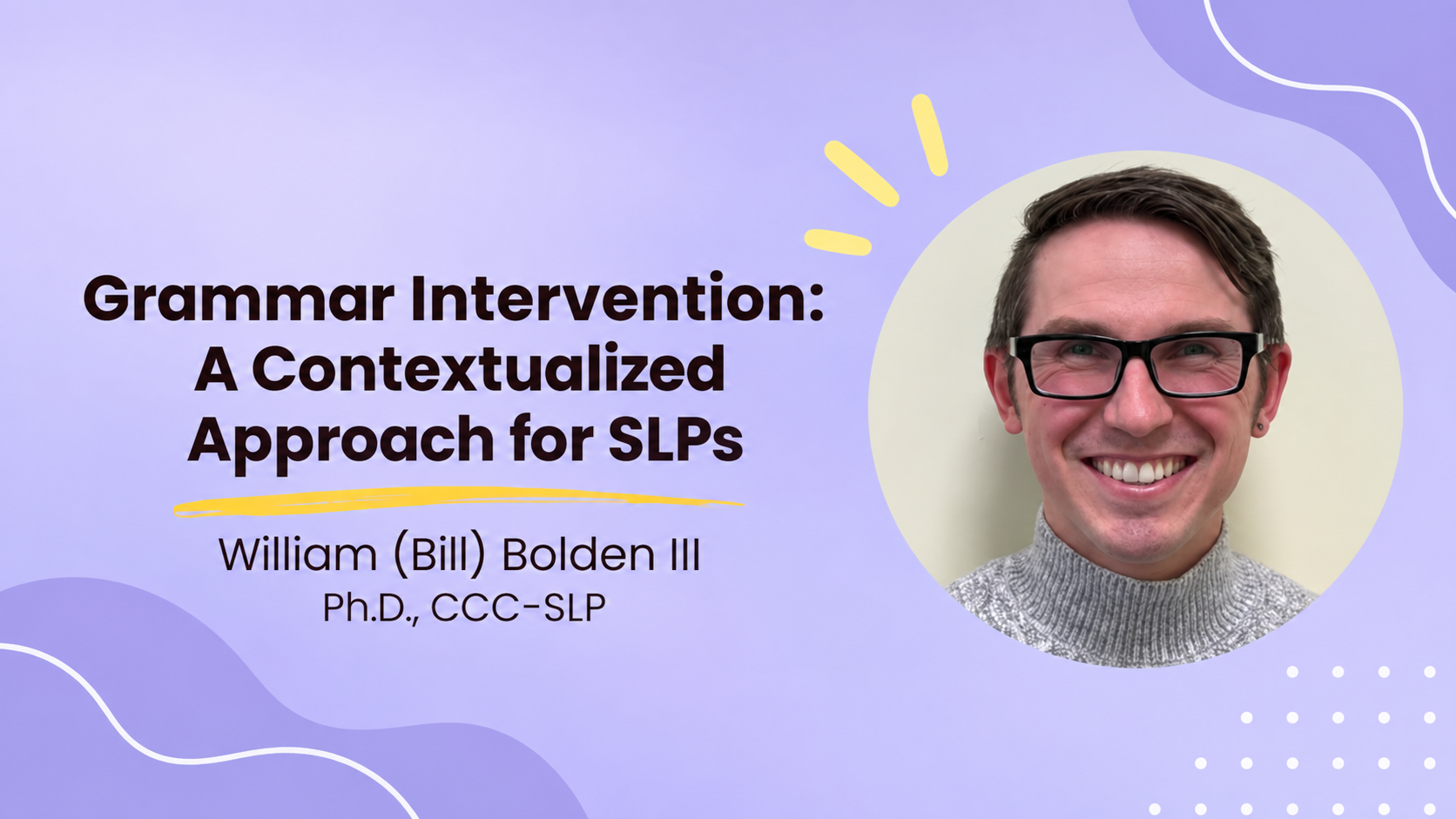
The Course That Made Everyone Mad - And Everyone Better
One of SLP Summit’s most memorable grammar courses left attendees asking one question: “Where can I buy that?” The answer? You can’t. Bill Bolden’s practical approach gave SLPs something even better: the tools and confidence to create and adapt activities themselves.
READ MORE
How SLP Summit Topics Actually Get Chosen
How does a topic make it onto the SLP Summit lineup? From live chat conversations and attendee feedback to presenters with practical ideas worth sharing, discover how the Summit community helps shape each event.
READ MORE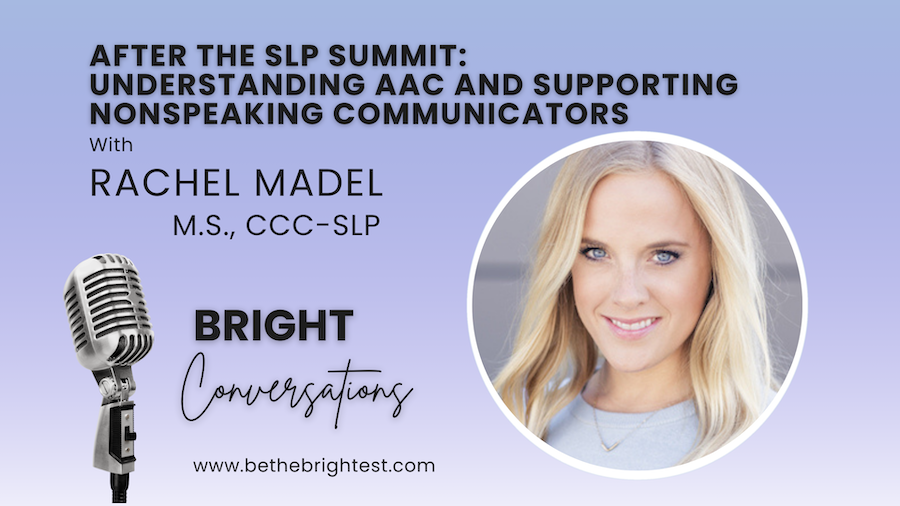
After the SLP Summit: Understanding AAC and Supporting Nonspeaking Communicators
What does it really mean to support nonspeaking communicators? In this episode of Bright Conversations, AAC advocate Rachel Madel joins Shontaye Glover Jones to unpack the role of augmentative and alternative communication in therapy. From visual supports to communication devices, this conversation encourages clinicians to expand their understanding of communication and meet students where they are.
READ MORE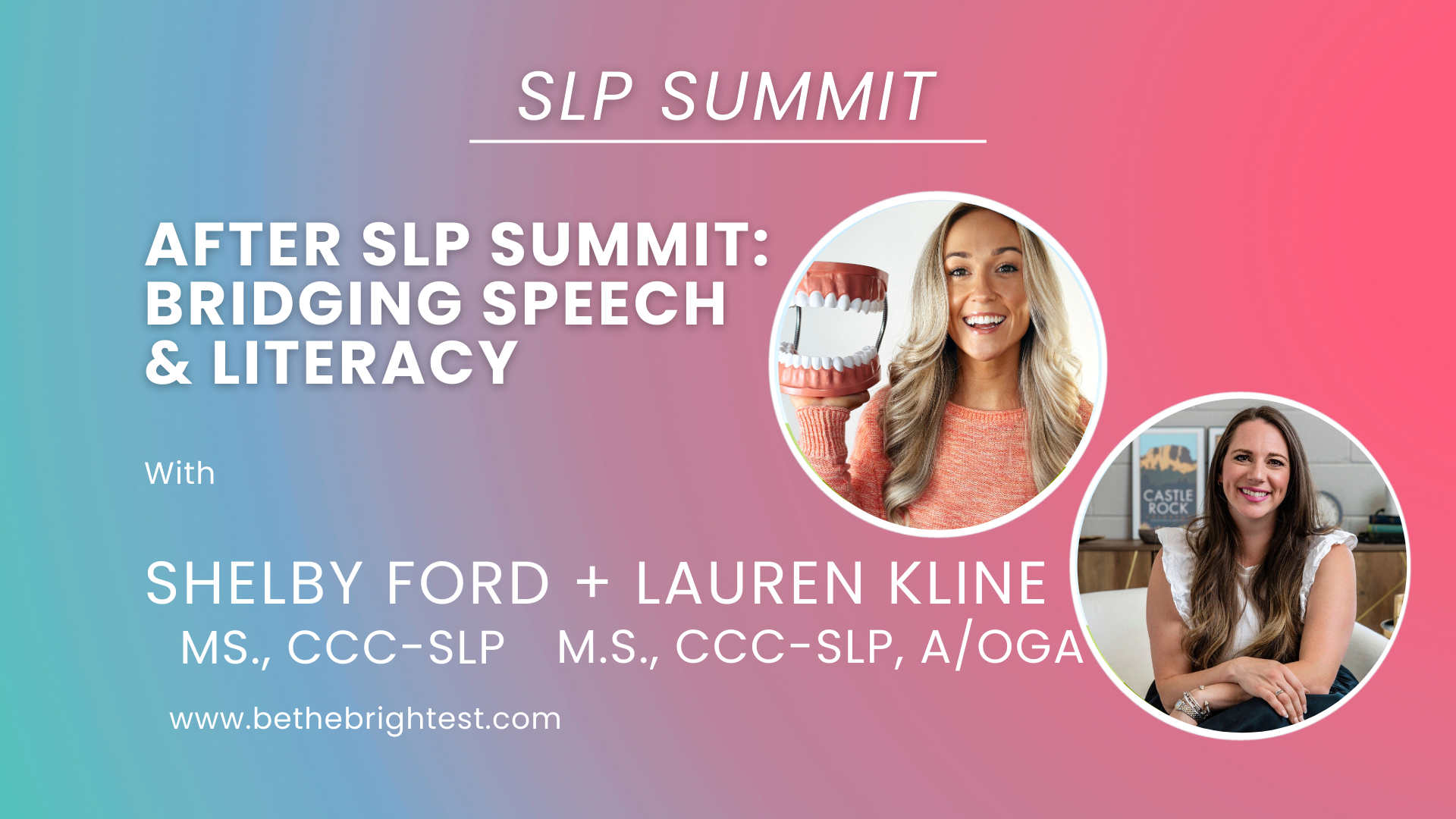
After the Summit: Bridging Speech and Literacy
What happens when speech and literacy stop living in separate boxes? In this Bright Conversations episode, Lauren Kline and Shelby Ford break down how connecting speech sound intervention with structured literacy leads to more meaningful progress for students. Packed with real-world strategies and Summit-inspired insights, this conversation is a must-read for SLPs across settings.
READ MORE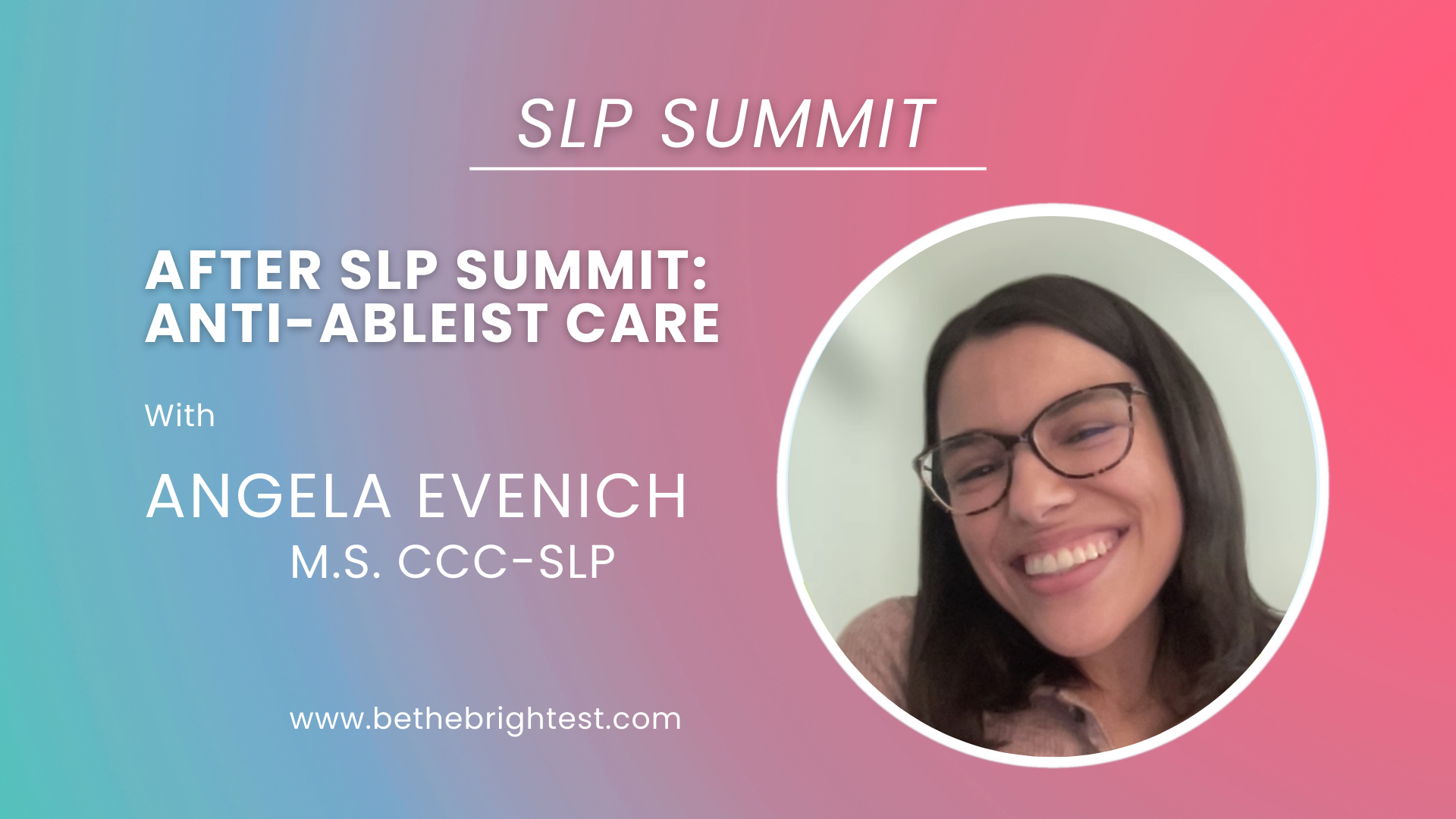
After the Summit: Anti-Ableist
In this follow-up conversation, Angela shares her lived experience navigating the field of speech-language pathology as a disabled professional and discusses how ableism—both implicit and explicit—shows up in clinical practice, therapy spaces, and educational systems. She breaks down what it means to offer truly anti-ableist care, why representation matters, and how clinicians can move from intention to action when it comes to disability inclusion.
READ MORE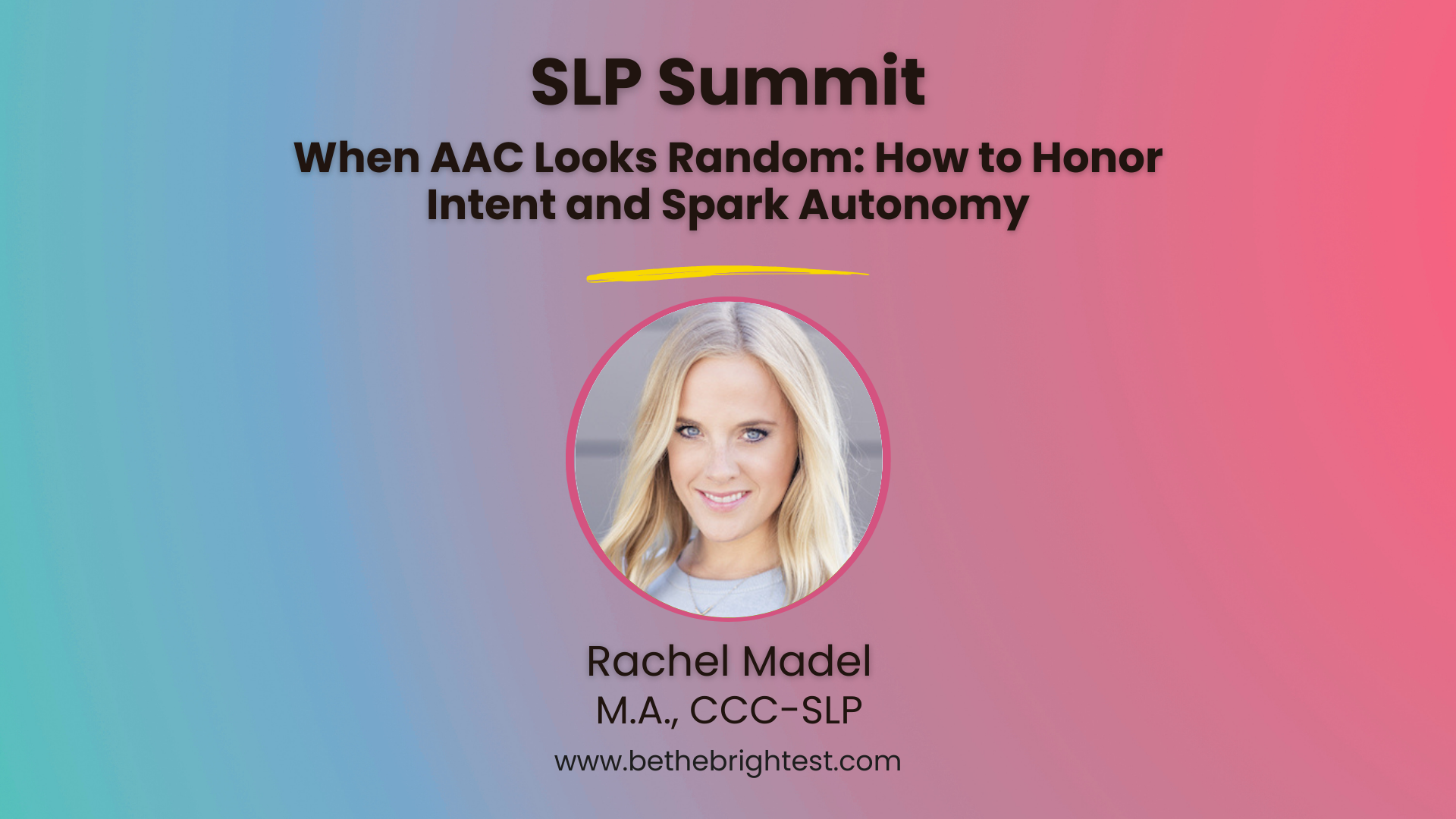
When AAC Looks Random: How to Honor Intent and Spark Autonomy
When AAC use looks random, it’s often communication in progress. This SLP Summit session reframes unexpected AAC output through a neuro-affirming lens, helping clinicians better understand regulation, intent, and meaning in AAC use.
READ MORE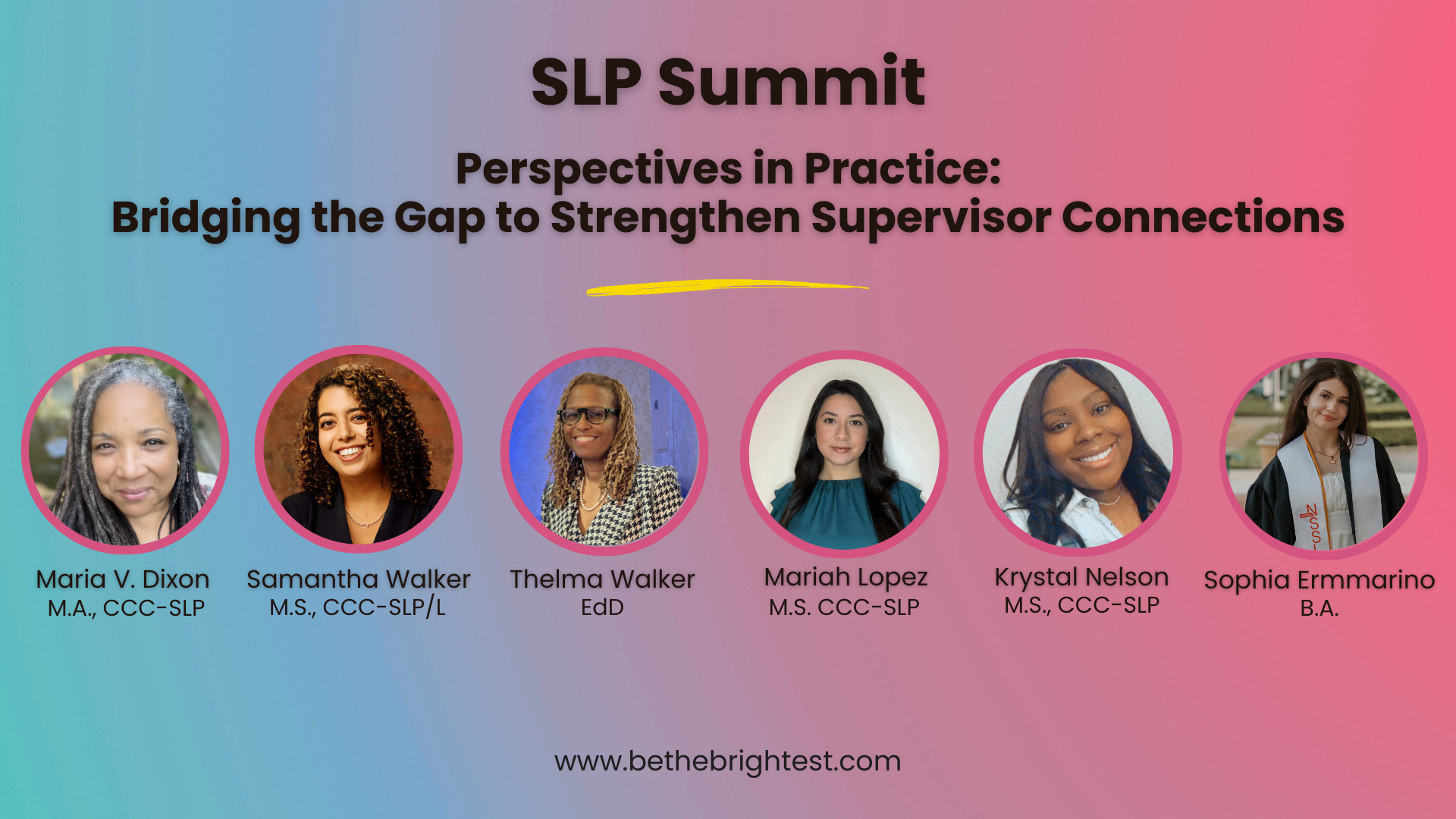
Perspectives in Practice: Bridging the Gap to Strengthen Supervisor Connections
Ableism shows up in speech-language pathology more often than we realize. In this SLP Summit session, a disabled clinician shares a framework for anti-ableist, disability-informed care that supports access, autonomy, and ethical practice.
READ MORE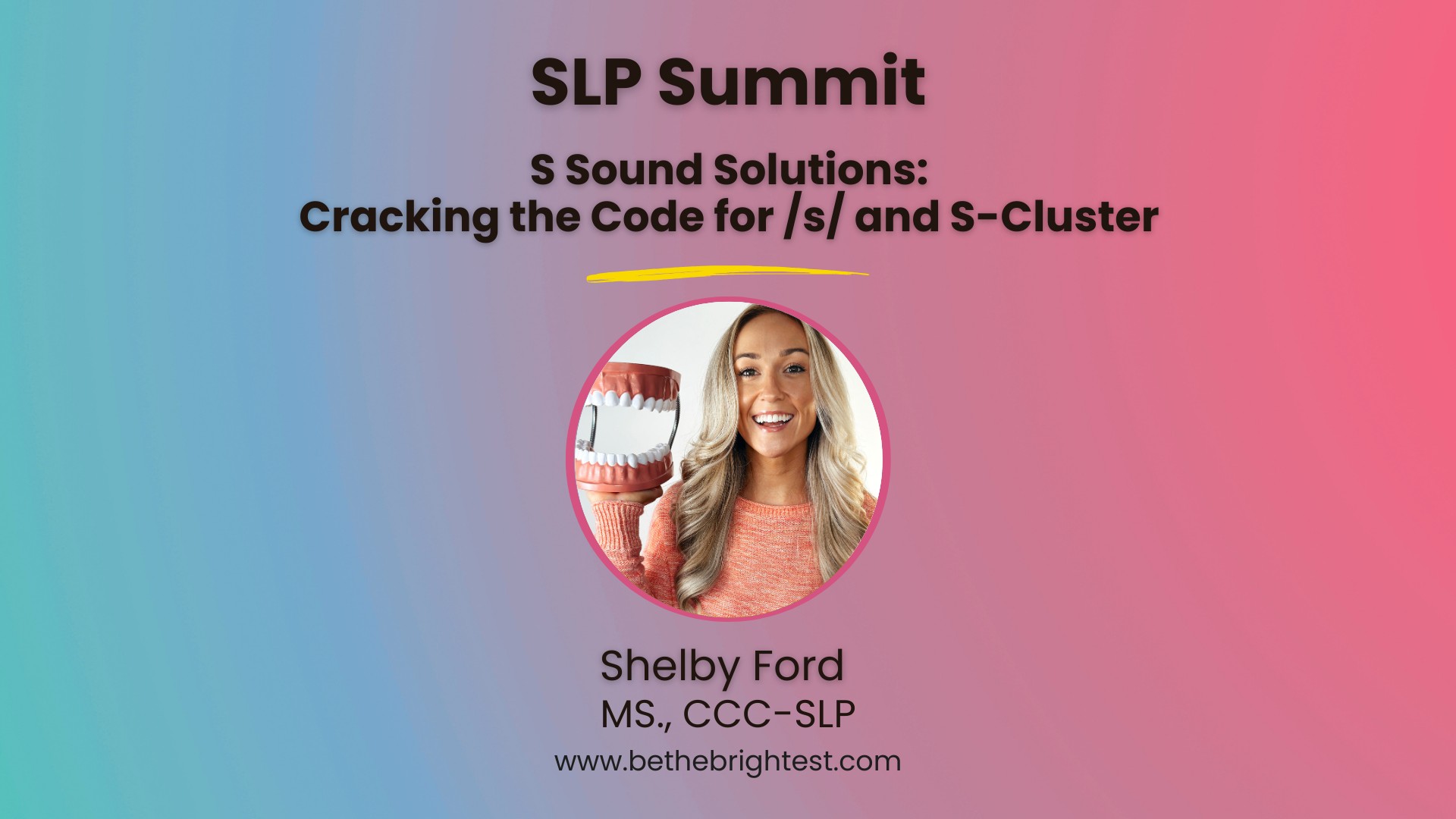
S Sound Solutions: Cracking the Code for /s/ and S-Clusters
The /s/ sound requires more precision than it gets credit for. This SLP Summit session breaks down the mechanics of /s/ production and shares practical strategies to improve accuracy, reduce distortions, and support generalization beyond drills.
READ MORE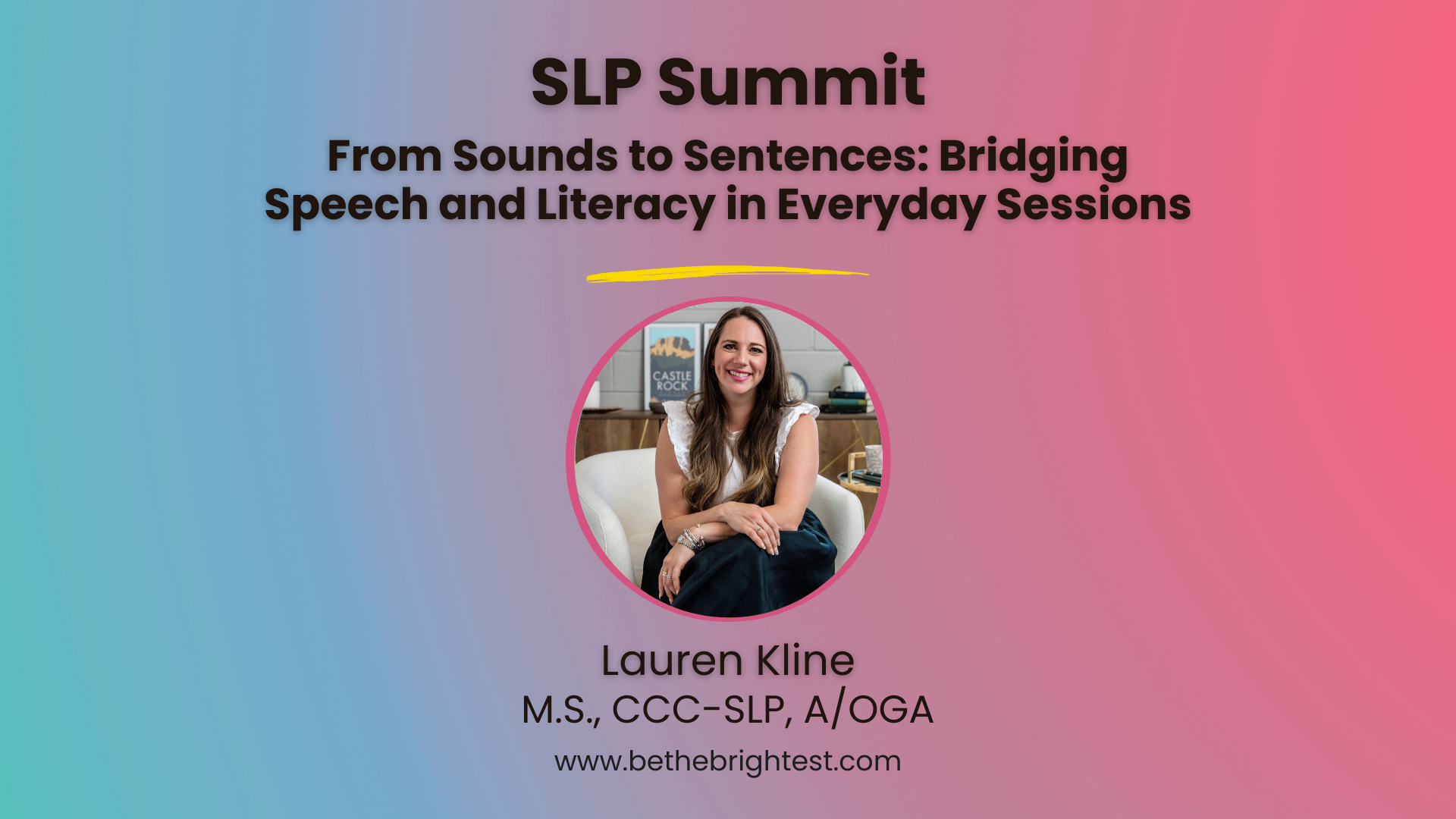
From Sounds to Sentences: Bridging Speech and Literacy in Everyday Sessions
Literacy challenges often start at the sound level. This SLP Summit session explores how speech sound development and sentence-level language skills support reading and writing, offering practical strategies SLPs can use to strengthen literacy through everyday therapy.
READ MORE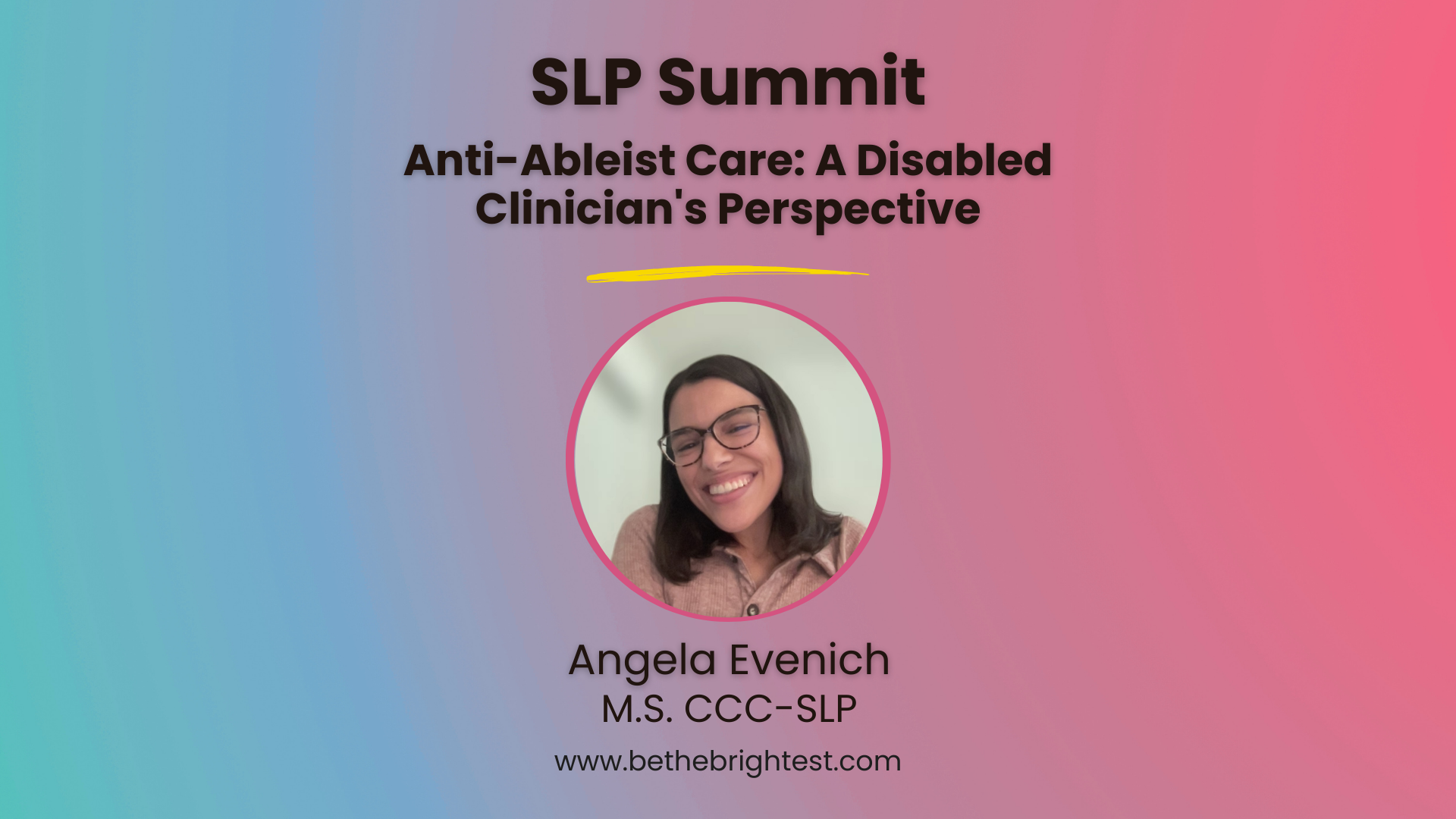
Anti-Ableist Care: A Disabled Clinician’s Perspective
Ableism often shows up in speech-language pathology in subtle but powerful ways. This SLP Summit session, grounded in the lived experience of a disabled clinician, offers a practical framework for anti-ableist, disability-informed care that affirms access, autonomy, and disabled identities.
READ MORE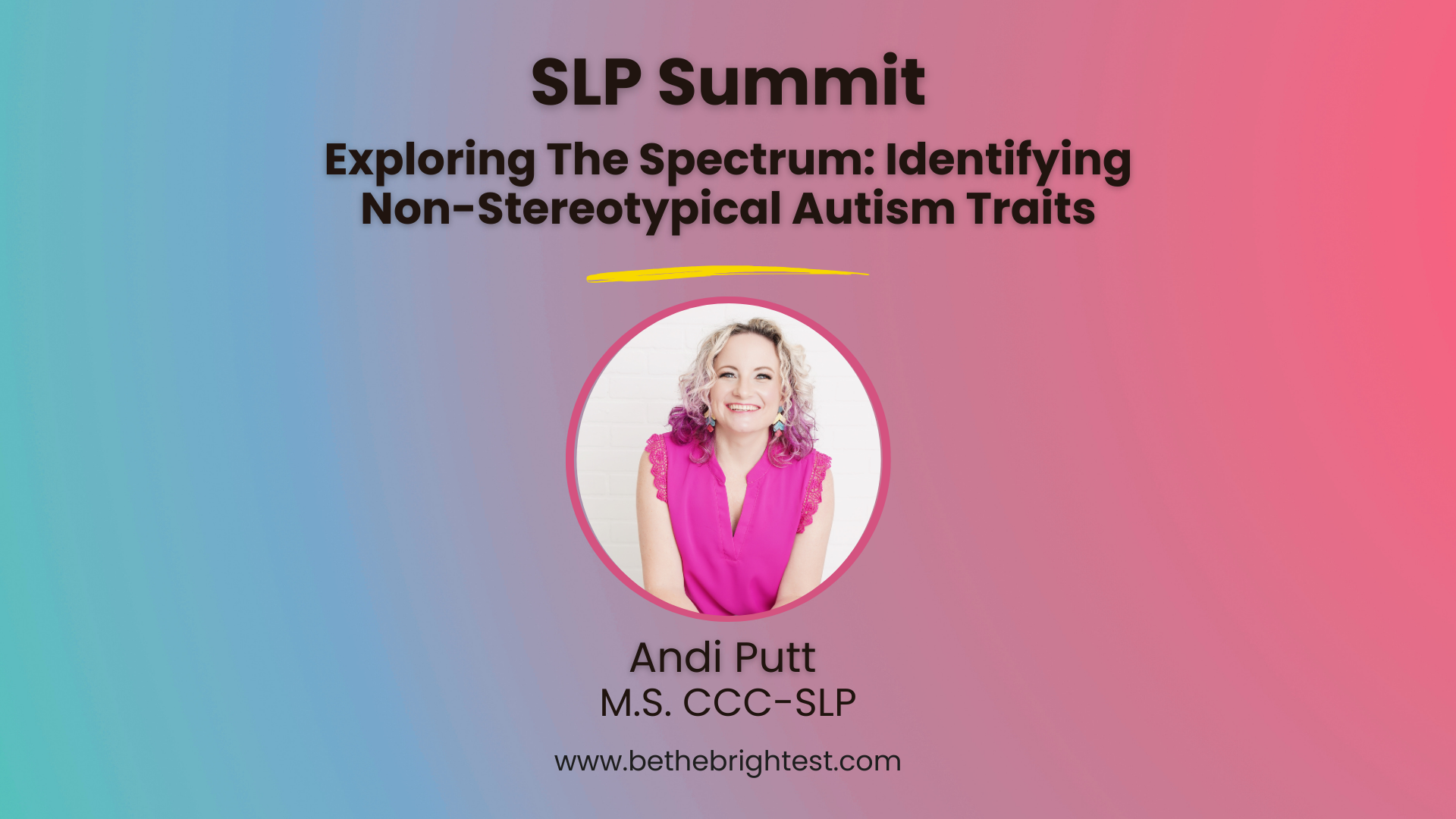
Exploring the Spectrum: Identifying Non-Stereotypical Autism Traits
Many autistic students don’t fit the stereotypes we were taught. In this SLP Summit session, clinicians learn how to identify non-stereotypical autism traits, including subtle differences in language, social communication, routines, and regulation, so students aren’t overlooked or misunderstood.
READ MOREJoin Our Email List
Sign up to be the first to know about new events, course launches, exclusive discounts, and practical insights to support your professional growth.
Thank you for subscribing!
Have a great day!